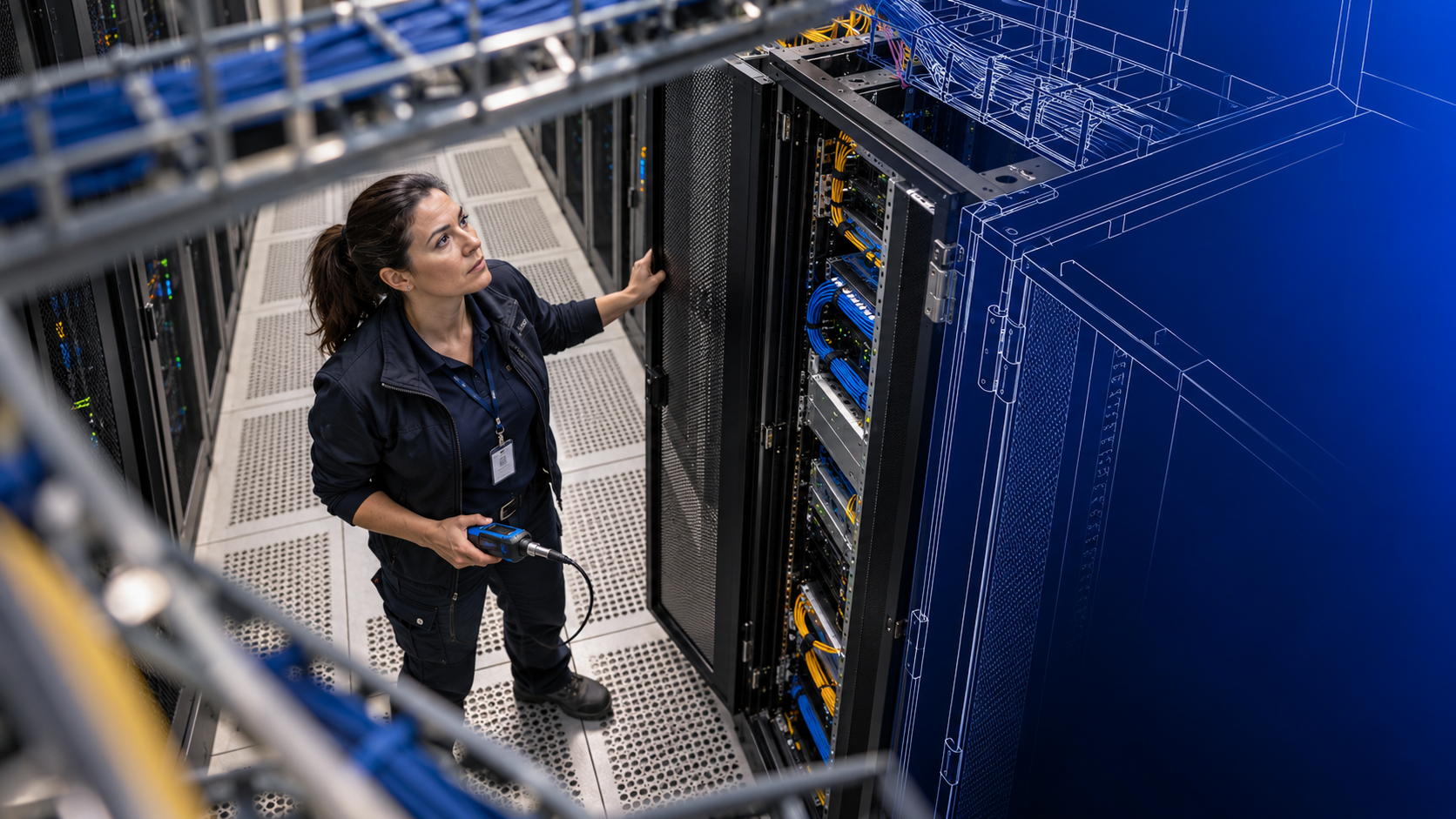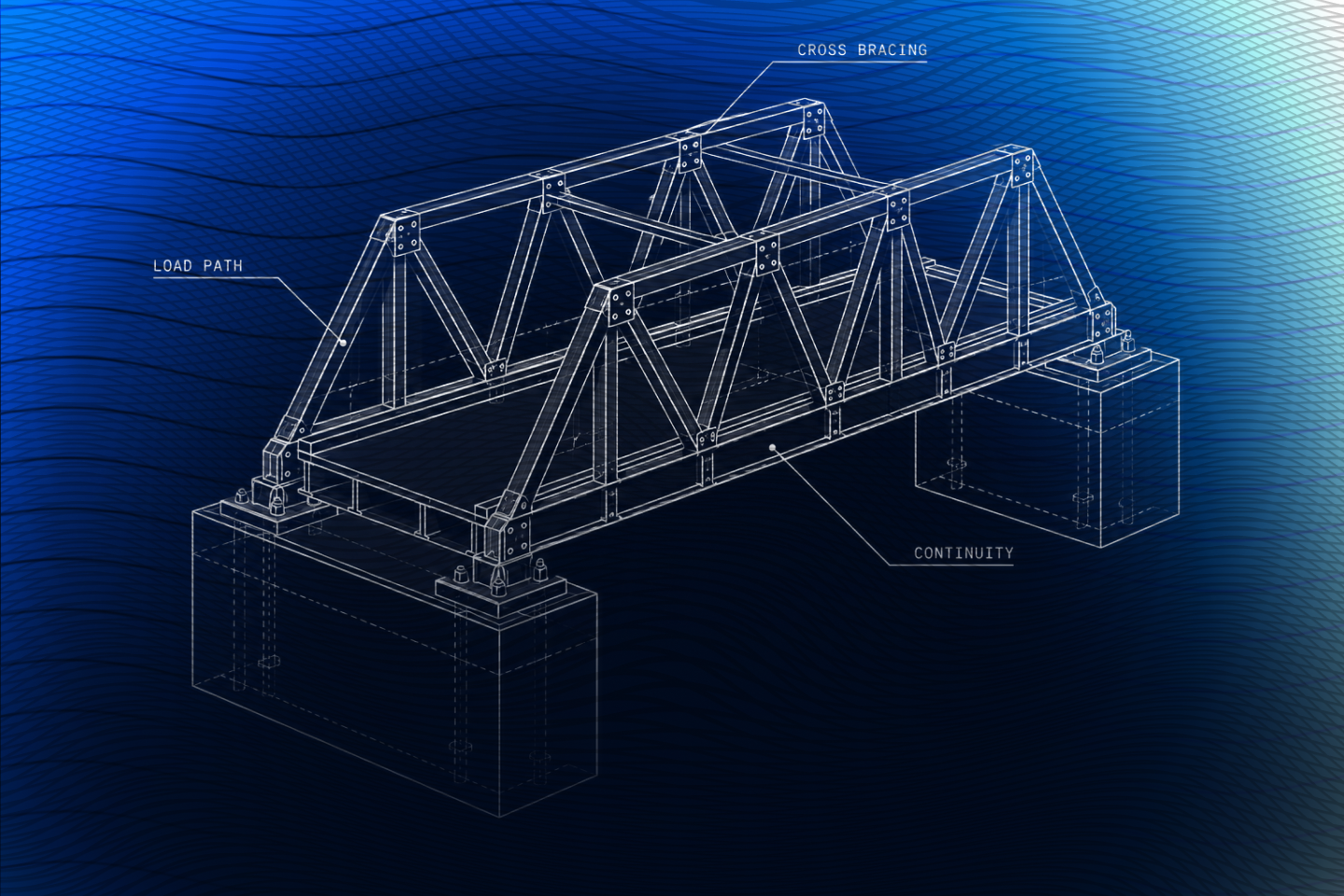
AI/HPC infrastructure is changing the conditions data center teams operate within. Understanding where the operating model needs to change starts with recognizing which assumptions no longer match the infrastructure.
An operating model can be current on paper and still be built for yesterday’s infrastructure. After all, most operators aren’t working from obviously broken operating models:
- Their MOPs and SOPs are being maintained.
- Their teams are staffed around known requirements.
- Escalation paths, vendor agreements, and training programs have been built around years of experience running mission-critical infrastructure.
Those practices can remain firmly in place even as the conditions they were designed around begin to change – but AI/HPC is changing those conditions. Direct-to-chip cooling introduces shared dependencies across dozens of racks with tighter temperature tolerances leaving less time to intervene. Plus, newer electrical architectures require skills and certifications that may not exist across the current team. The equipment changes what operators need to prepare for, how quickly technicians must recognize a problem, and what they need on hand to respond.
That gap often becomes visible during the push toward ready-for-service, when maintenance programs, commissioning, staffing, or other operational requirements begin holding up the schedule. In more serious cases, the first unmistakable signal is an incident or SLA failure after the facility is already operating.
Finding it earlier means looking closely at the procedures, people, and response capabilities surrounding new infrastructure and asking a more useful question: What are we still doing based on conditions that no longer exist?
Procedures Have to Account for a Different Fault Profile
Direct-to-chip cooling provides one clear example. Instead of relying primarily on room-level air cooling, liquid moves directly to the equipment generating the heat, and a single coolant loop can serve dozens of racks. That creates dependencies that existing procedures need to account for because an issue within a shared system can affect a much larger portion of the environment.
The acceptable operating range can change as well. In traditional colocation environments, operators worked within a broad temperature band that gave teams room to adjust as server loads changed. With direct-to-chip cooling, relatively small changes in coolant temperature can affect GPU efficiency, creating much tighter performance parameters and requiring faster intervention.
That changes what a MOP or SOP needs to prepare a technician to do. Procedures written around the tolerances, dependencies, and escalation timelines of an air-cooled environment may leave important gaps when applied to infrastructure with different failure modes.
Reviewing procedures as new equipment comes online should therefore include the assumptions underneath them: What conditions trigger action? How quickly does the team need to respond? Which systems are affected by the same failure? What does the technician need to know before intervening? Those answers may have changed along with the infrastructure.
Performance Problems Can Matter Before an Outage
AI/HPC also changes what operators are protecting. For certain AI training environments, the output being delivered is raw compute capacity, which means degraded performance can have financial consequences even while the infrastructure remains online. A condition that reduces GPU efficiency can affect the tenant’s ability to perform the computational work it is paying for and potentially put SLA performance at risk.
That makes the space between “normal” and “down” much more important operationally. Think of this as a shift in the fault profile, where degraded performance can matter because anything slowing production can reduce the value the infrastructure is delivering.
Teams need enough visibility to recognize those conditions quickly, understand their potential impact, and respond while there is still time to protect performance. Escalation paths and vendor SLAs also need to reflect the speed and type of response the environment now requires.
The Technician Role Is Changing With the Equipment
The skills required inside these facilities are evolving at the same time that operators are already trying to expand their teams:
- Direct-to-chip cooling makes water chemistry, filtration, and coolant management a much larger part of the technician’s responsibilities.
- Higher-voltage electrical systems introduce different safety and certification considerations.
- Newer equipment creates situations teams may have little historical experience resolving.
That matters because infrastructure growth is happening alongside an existing talent challenge. Operators need more people while the knowledge required of those people is becoming more specialized, making the time it takes to prepare a technician for the environment increasingly important. Those forces together are a core reason infrastructure can move faster than the operating model surrounding it.
Staffing plans should account for the actual fault profile technicians will encounter, including the qualifications required to work safely, the newer systems they need to understand, and the information available to help them respond when something unfamiliar happens.
Signs Your Operating Model May Already Be Behind
The gap between infrastructure and operations will look different across facilities, but several signals can indicate that the operating model deserves a closer look:
- Procedures still assume the tolerances and failure modes of legacy infrastructure.
- Teams regularly depend on a small number of experienced people to handle unfamiliar equipment or incidents.
- Escalation paths take longer than the response window available during a performance issue.
- Vendor agreements were established around service expectations that no longer match the equipment being operated.
- Technicians are encountering assets, cooling systems, or electrical requirements that fall outside their existing training and certifications.
- Incident history is difficult to connect back to the affected assets, maintenance activity, and procedures.
That last signal matters because operators need a way to see whether their operating model is actually keeping pace.
Asset information can show what has changed in the physical environment. Maintenance data can show whether new equipment is creating different requirements. Incident history can reveal recurring failures, slower responses, or emerging patterns across similar infrastructure. When that information can be viewed together, operators have a clearer picture of where the operating model needs attention.
Operational Readiness Has to Move at the Speed of Infrastructure
New infrastructure will continue to introduce unfamiliar operating conditions, and some of the answers will only become clearer as the industry gains experience running these environments at scale. That makes the operational history being created now especially valuable.
Every maintenance activity, incident, response, and resolution adds to what the organization knows about how its infrastructure behaves, giving teams more evidence to refine procedures, training, escalation paths, and maintenance strategies as the environment evolves. Operators already know the infrastructure is changing quickly. The next measure of readiness is how quickly the operation can learn from those changes and put what it learns back to work.