Even small variations in execution can create operational friction at portfolio scale. In this case study, learn how MCIM helped one operator bring structure and alignment to operations across its global facilities.
The Challenge: Evolving Operations Across Systems and Workflows
As their portfolio expanded globally, our customer had developed operational processes capable of supporting increasingly complex environments across multiple sites. Over time, however, maintenance tracking and daily operational activities became spread across a mix of systems, spreadsheets, and manual workflows that had evolved alongside the business. What had once been manageable at a smaller scale began to introduce friction in execution, making it harder to maintain consistency across sites.
At the same time, expectations around visibility, auditability, and standardized operations continued to increase. Our customer needed a way to bring structure to how work was performed while connecting operational execution with customer coordination in a single, consistent model.
The Solution: A Single System for Operations and Execution
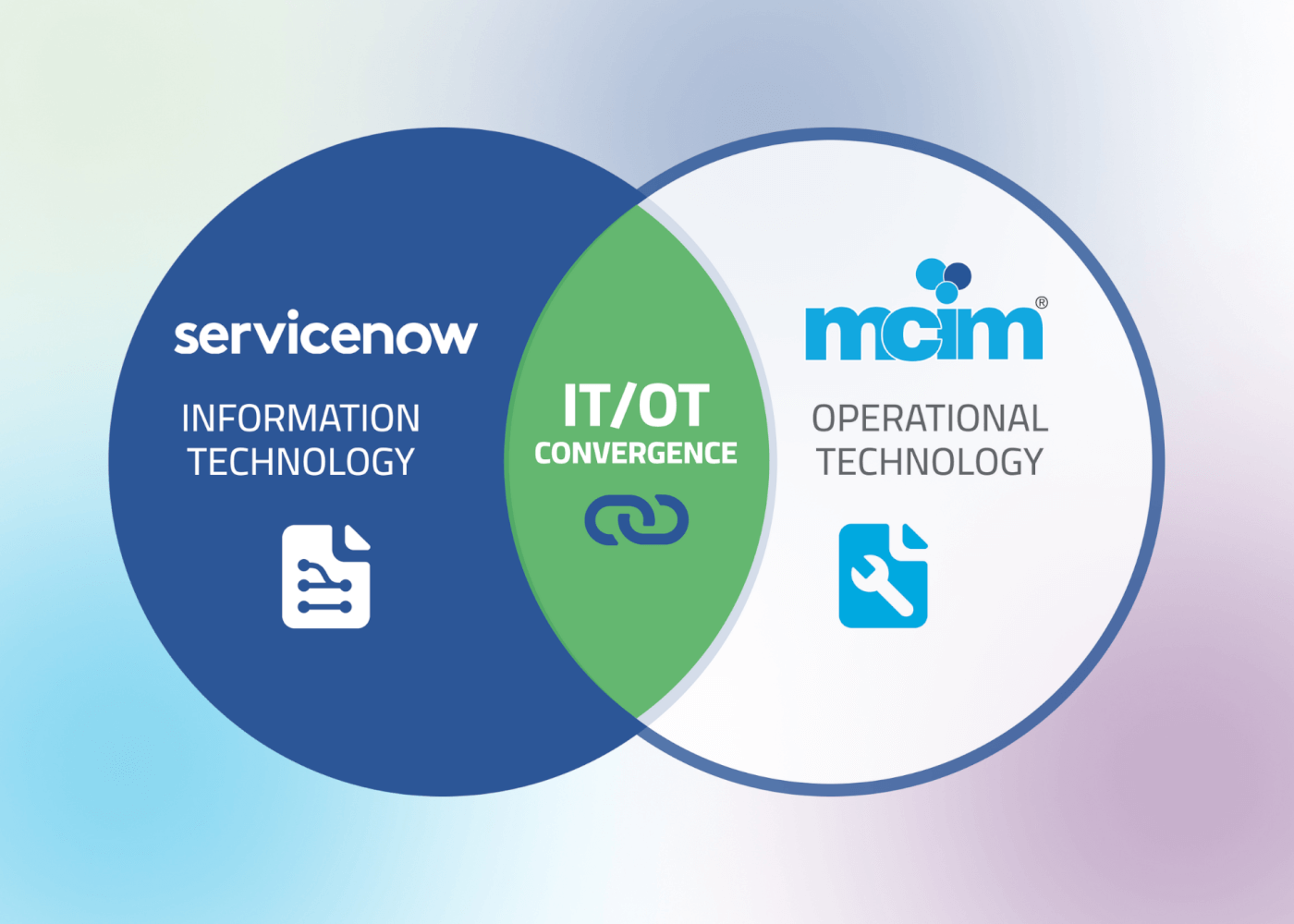
By implementing MCIM, our customer replaced fragmented workflows with a unified operational platform, starting with core maintenance and asset management. Maintenance activities that had previously been tracked across multiple systems were brought into a single environment, where planned and completed work could be monitored consistently and tied directly to structured asset data.
Workflows were redesigned to reflect how work is actually performed in the field. Procedures were embedded directly into the system, guiding technicians step by step and ensuring that execution didn’t depend on memory or interpretation. Data was captured at the point of work, creating a reliable record of what was done, when it was done, and how it was completed.
As the platform became the system of record for operations, our customer extended that same structure into their own customer-facing processes. Access request workflows, which had previously required separate coordination, were brought into the same environment. Approval paths were configured to reflect real-world requirements, including operator, customer, and multi-step approvals, allowing both operational teams and customers to interact within a single system rather than across disconnected tools. This created a more connected operating model, where execution, visibility, and coordination could happen in one place.
The Impact: From Fragmentation to Operational Alignment
Moving to a unified platform transformed how our customer’s teams operate day to day. Maintenance execution became more predictable, asset history more reliable, and workflows more consistent across sites. Instead of navigating multiple systems, teams now work within a single environment where information, procedures, and reporting are aligned.
With more activity captured in a structured way, our customer now has a clearer view of how work is performed across its portfolio. Teams can monitor execution, identify inefficiencies, and refine processes based on actual performance data rather than fragmented records.
Systems and workflows are now built on a coordinated model that supports consistent execution across every site, ensuring that as our customer continues to scale, each facility operates with the same level of visibility and structure.