Key takeaways from the Pacific Telecommunications Council’s annual conference, through the lens of the operators building and running the world’s most critical infrastructure.
Every January, the Pacific Telecommunications Council (PTC) brings together executives, technologists, and investors from across the global digital infrastructure landscape for its annual conference in Honolulu. We attended this year with a specific focus: listening for what data center operators are actually grappling with as they scale to meet unprecedented demand. What we heard confirmed what we’ve been seeing across the industry, and it has significant implications for how operators think about managing their infrastructure going forward.
The AI Supercycle Is Rewriting the Playbook
One theme that dominated PTC’26 was the sheer scale of AI-driven infrastructure demand. Session after session returned to the same reality: AI workloads are driving capacity requirements that dwarf anything the industry has planned for. Development timelines that used to span years are being compressed into months. Operators who built their processes around steady, predictable growth are being forced to rethink everything, from how they design facilities to how they staff and manage them.
This introduces an incredible level of operational complexity. Higher density deployments mean more sophisticated cooling infrastructure, more intricate power distribution, and significantly more equipment per square foot that needs to be tracked, maintained, and managed. The margin for error in these environments is razor-thin, and the consequences of performance degradation, instability, and ultimately downtime, are amplified.
Power Isn’t Just a Supply Problem
The energy conversation went well beyond procurement and availability. While securing power remains a headline challenge, operators on the ground are dealing with something even more nuanced: managing increasingly complex and diverse power infrastructure within their facilities.
As operators integrate backup generation, on-site renewables, battery storage, and utility feeds into their power architecture, the operational burden grows exponentially. Every additional system is another set of assets to maintain, another set of procedures to document, and another potential failure point to monitor. The operators we spoke with were understandably concerned about getting power, but they were also worried about managing it reliably across a growing portfolio of sites, each with its own configuration.
Sustainability Has Moved from Initiative to Operational Requirement
ESG and sustainability were once again prominent topics at PTC’26, but the conversation has clearly matured. Operators are now being held accountable for metrics including carbon tracking, water usage reporting, equipment lifecycle documentation, and regulatory compliance across every jurisdiction where they operate.
This puts enormous pressure on operational teams. Compliance now requires continuous data collection, auditability, and documentation at the asset level. For operators managing dozens or hundreds of facilities across multiple regions, this presents the huge challenge of having the systems and processes in place to actually do it consistently.
The Real Bottleneck: Operational Capacity
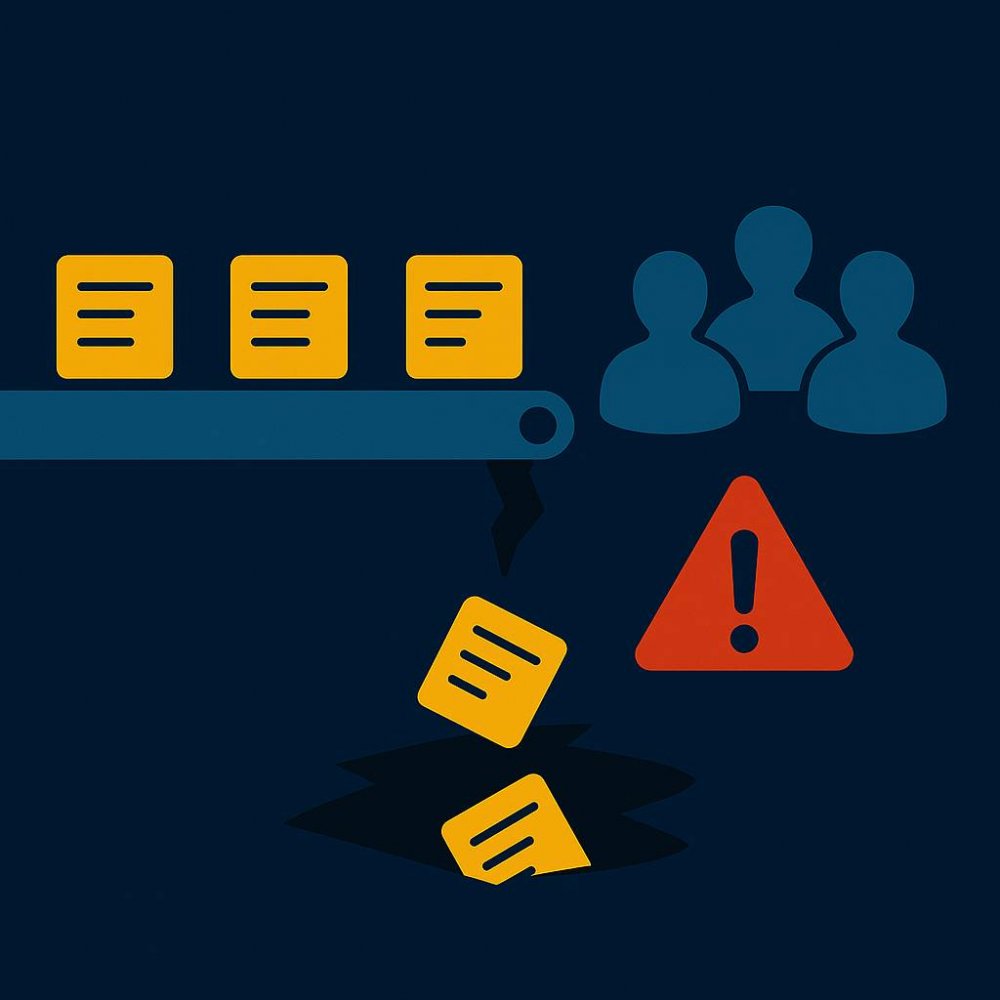
Perhaps the most important undercurrent at PTC’26 – and the one that connected every theme above – was the growing recognition that the bottleneck for many operators isn’t capital or demand anymore, it’s operational capacity.
The ability to efficiently manage sprawling portfolios of critical assets, maintain visibility across geographically distributed sites, standardize processes as teams grow, and deliver on uptime commitments while scaling at unprecedented speed. This has become the defining challenge of the current market cycle.
We heard this from operators at every stage of growth. Smaller operators scaling their first multi-site portfolio. Mid-market players absorbing acquisitions and trying to standardize. Enterprise operators managing hundreds of facilities and struggling to maintain consistency. The specifics differ, but the core challenge is the same: how do you maintain operational excellence when everything about your business is growing faster than your ability to manage it?
What This Means For the Industry
The conversations at PTC’26 reinforced that the next wave of competitive advantage in this industry may no longer come from who can build the most megawatts the fastest. It will come from who can operate them the best.
Operators who try to manage exponentially more complex infrastructure with the same spreadsheets, disconnected systems, and manual processes they’ve always used will fall behind. Those who invest in the tools, systems, and processes that give them real-time visibility into their assets, streamline maintenance and compliance workflows, and enable them to scale operations alongside their physical footprint are the ones who will thrive.
Bottom Line: Operations has become the defining chapter in the data center story.