Hiring and training can’t keep pace with how fast the industry is growing. MCIM CEO Mike Parks explains what can.
By now, most operators have accepted that the technician shortage will not be solved by hiring alone (and that their teams need knowledge faster than experience can provide it). Acceptance is the easy part. At DCD Connect London, Stuart Chambers, MCIM’s VP of AI/HPC Strategy, and I addressed a more important question: what can actually be done about it? The instinctive response is more training, longer onboarding, and more hiring. While those moves do matter, they all share a structural flaw.
Why “More Training” Falls Short
Training, onboarding, and hiring scale linearly, but the problem they’re meant to solve, providing reliable infrastructure in a growing market, is exponential.
You can’t train for a floor that doesn’t exist yet. Facilities being planned today may not be energized for years, while the technology inside them continues to evolve. Training alone cannot keep pace with the rate at which equipment, cooling architectures, and operating requirements are changing.
Training investment walks out the door. Technicians are being poached with significant raises and signing bonuses, sometimes before they finish their apprenticeships. On lean rosters, every departure becomes an emergency.
The knowledge itself is inconsistent. Most MOPs blend OEM recommendations, lab-based industry standards, and one senior technician’s experience. Training passes those inconsistencies along faster. What your best people actually have is context: knowing what “good” looks like for this asset, at this site.
Uptime Institute has found that human error plays a role in two-thirds to three-quarters of outages. In its 2025 annual outage analysis report, the proportion of human error-related outages attributed to staff not following procedures increased by ten percentage points. This remained the leading cause of human error-related outages in its 2026 annual report.
Digitized, enforced MOPs can reduce that risk, but procedural discipline alone can’t supply context. A technician can complete every step and still miss that a reading well inside its threshold has crept up for three straight rounds.
Why Generic AI Isn’t Enough
Many operators have experimented with AI only to get answers that are generic, incomplete, or wrong. The problem is often context. The AI doesn’t know your standards, procedures, asset history, or past decisions. It can compare a reading to a textbook range, but it can’t tell you what normal looks like for that unit.
From Answering Questions to Doing the Legwork
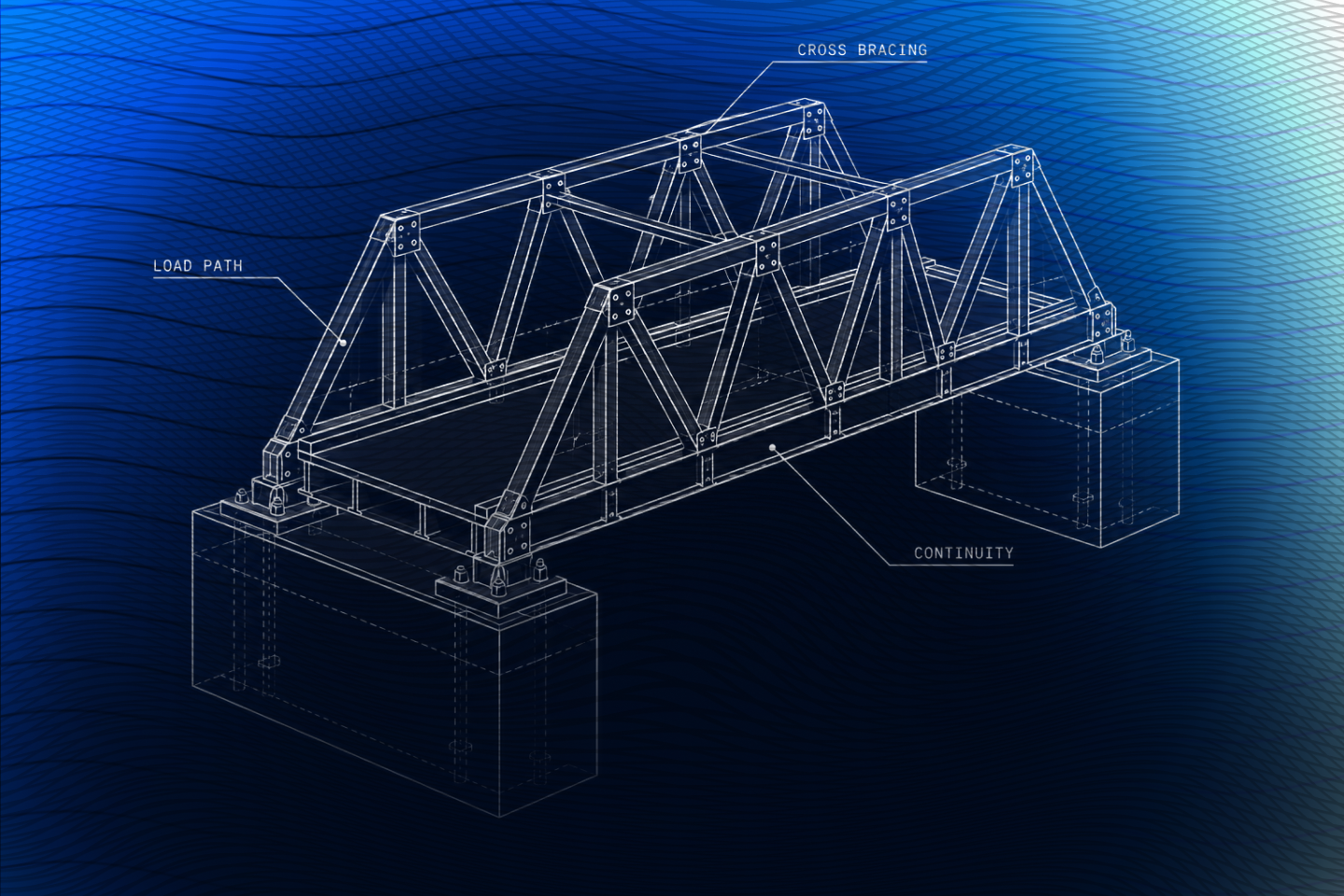
Agentic AI changes how that context can be put to work. Unlike a chatbot that answers questions from a static manual, an agentic system can work across your operational data on the technician’s behalf, with a human being always part of any decision that would affect the data itself. The difference is between retrieving a document and doing the legwork an experienced technician would do before acting: connecting the asset to its history, its procedures, its spares, and what has happened on similar equipment across other shifts and sites.
For technicians to trust that kind of answer, it needs speed, quality, and depth at once. A fast answer that’s wrong is worse than no answer, and technicians who get burned once stop asking. Depth is the hardest part. It can’t be bolted on later, because it depends on how well the system understands the relationships between assets, procedures, and past events.
That’s the thinking behind Merin, the AI we built at MCIM specifically for data center operations. MCIM already connects the assets, work, procedures, incidents, risks, and operational history that create the context generic AI lacks. Merin puts that context to work, alongside industry standards like NETA, ASHRAE, and ANSI, and anonymized benchmark data from equipment across the MCIM platform.
Trust Also Depends on Where the Data Goes
Operational data is some of the most sensitive information an operator has, and any AI tool that touches it should meet a high bar. Before adopting one, operators should know whether their data could influence anyone else’s answers, what happens to personal information, and whether their data is used to train outside models.
Merin is designed around those requirements. Customer data sits in an isolated partition; Merin runs on Claude through Amazon Bedrock with minimal context, no data retention, and no model training; and personal information is structurally excluded.
Where the Impact Shows Up
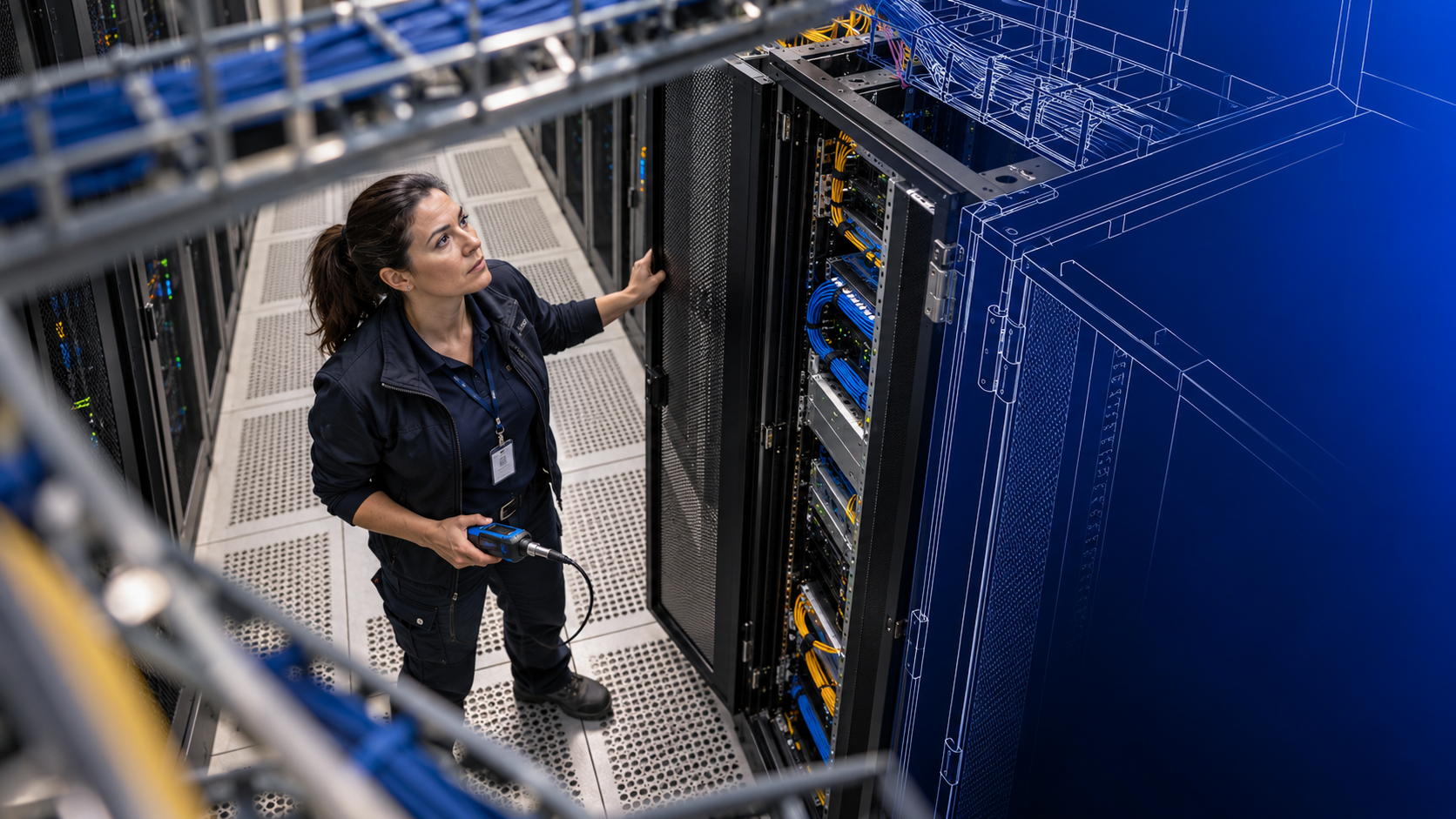
With their data protected, operators can put it to work, and the payoff starts with the people newest to the floor. A new hire on unfamiliar rounds can see what normal looks like for each asset and which readings are drifting. Problems get caught while they’re still small, and new technicians contribute sooner.
The same context works further up the organization. When leadership asks what to replace next year, the answer comes from failure history and benchmarked reliability rather than install dates, so capital goes where the risk actually is. The context that helps a technician at 2 a.m. also helps an executive defend a budget.
Unlike training, that context stays when people leave. Every resolved incident and completed work order adds to it, creating an operational knowledge base that becomes more valuable over time.
Hiring and training will always matter. But the industry cannot hire and train its way out of the knowledge gap alone. Much of the context needed to prevent the next incident already exists across assets, procedures, work orders, incidents, and the experience of your best people. The opportunity now is to connect it, preserve it, and put it in the hands of every technician when they need it.